
"tropical coffee growing"
5000 article(s) found
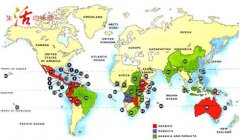
Map of global coffee producing area for the production of boutique coffee beans
Coffee trees grow in tropical or subtropical agricultural gardens centered around the equator and called coffee belts. Most of the coffee production is between the Tropic of Cancer, 25 degrees north of the tropical or subtropical equator and 30 degrees south of the equator. An area with an annual average temperature of 16-25 degrees Celsius, no Frosts Descent and rainfall of 1600-2000 mm.

How should coffee trees be planted? can Arabica coffee trees survive at low elevations?
Coffee trees grow in the tropics between Tropic of Cancer and Tropic of Cancer and near the equator. There are also great differences in appearance among the so-called world coffee growth zones, caffeine varieties and regional factors. With long green leaves ranging from yellowish green to dark green or even brass, these shiny trees are wavy, which is more pronounced in Robasda than in Arabica. Although coffee trees need

What conditions do you need to grow coffee? can you grow your own coffee?
Soil: fertile tropical Hawaiian volcanic soil that provides the dense nutrients of the Kona Coffee Tree. Altitude: the appropriate altitude of 2100 to 3600 meters and the cool moonlight promote the fruit of Kona Coffee to ripen slowly and create an excellent taste with rich appearance and full moisture. Rizhao: warm tropical sunshine plays an important role in the reproduction of coffee trees.

Alishan Tropical Dance Manor introduces what coffee producing areas are there in Taiwan?
Professional coffee knowledge exchange more coffee bean information please follow the coffee workshop (Wechat official account cafe_style) Taimali Township and Luye Township in Taitung can now see coffee trees. In the 1980s, home-grown coffee could be seen on the side of the Taijiu highway. Twenty years ago, Pan Yung-feng, director general of the Luye Rural Peasant Association, tried to grow coffee. At that time, the market of tea was good, and coffee was gradually replaced by tea gardens.
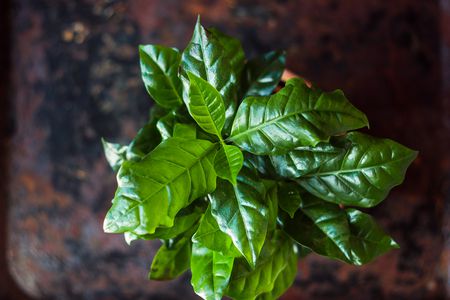
Areas and conditions suitable for growing coffee | how to grow Arabica coffee?
Professional coffee knowledge exchange more coffee bean information Please pay attention to the coffee workshop (Wechat official account cafe_style) Coffee planting areas and conditions since the coffee-producing countries we often come into contact with are tropical and subtropical climates between the Tropic of Cancer and Cancer, some people may take it for granted that coffee grows in the high temperature tropics, but in fact, coffee is usually planted.
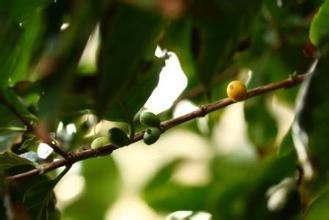
Coffee growing environment affects coffee growing environment and coffee quality Suitable soil and conditions
Coffee originated in tropical Africa, the origin of small species is the tropical plateau of Ethiopia, between 900 and 1800 meters above sea level, with an average annual temperature of 19. C. The medium-grained species originated in the tropical rain forest area of Congo, below 900 meters above sea level, with an annual average temperature of 21~26. C。They are native to shady or semi-shady forests and river valleys, so coffee needs calm wind, warm and humid

The taste of coffee is generally used as a word for coffee taste.
Coffee trees are very similar to laurel and usually grow between the Tropic of Cancer and the Tropic of Cancer. A coffee tree usually grows for about three to four years before it begins to bear fruit. The fruit is a red berry, which is dried and the pulp is removed to separate the coffee beans. There are shadows of coffee beans all over the world, and they can grow as usual as long as the climate is right. These are suitable for cultivating coffee.

The taste of coffee is generally used as a word for coffee taste.
Coffee trees are very similar to laurel and usually grow between the Tropic of Cancer and the Tropic of Cancer. A coffee tree usually grows for about three to four years before it begins to bear fruit. The fruit is a red berry, which is dried and the pulp is removed to separate the coffee beans. There are shadows of coffee beans all over the world, and they can grow as usual as long as the climate is right. These are suitable for cultivating coffee.

The taste of coffee thoroughly appreciate a cup of high-quality coffee
Coffee trees are very similar to laurel and usually grow between the Tropic of Cancer and the Tropic of Cancer. A coffee tree usually grows for about three to four years before it begins to bear fruit. The fruit is a red berry, which is dried and the pulp is removed to separate the coffee beans. There are shadows of coffee beans all over the world, and they can grow as usual as long as the climate is right. These are suitable for cultivating coffee.

Arabica coffee beans where to origin Arabica coffee beans taste rich, delicate texture smooth
Professional coffee knowledge exchange More coffee bean information Please pay attention to coffee workshop (Weixin Official Accounts cafe_style) Front Street-Arabica coffee bean introduction In the process of coffee cognition, often listen to others say Arabica coffee beans taste better, to choose Arabica, corresponding to the not-so-good reputation of Robusta beans. Why do boutique cafes use mostly Arabica coffee?

A simple introduction to the world of defective coffee beans
Professional barista communication, please pay attention to coffee workshop (Weixin Official Accounts cafe_style ) 01 Coffee growing environment Coffee beans in appearance differences come from different growing environments, coffee growth zone is usually Tropic of Cancer and Tropic of Cancer and tropical areas near the equator. Unique coffee varieties are grown in special growing areas, and there are many types of coffee beans and growing environments. for finishing
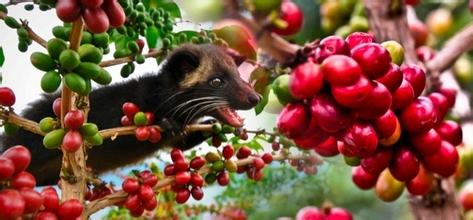
What is the growing environment of coffee beans? What conditions must be met to grow coffee beans?
Coffee is native to tropical Africa. The origin of the small seed species is the tropical plateau of Ethiopia. It is between 900 and 1800 meters above sea level with an average annual temperature of 19. C; the mid-grain species is native to the tropical rain forest of the Congo, with an average annual temperature of 2126 at an altitude of less than 900 meters. C . Their origins are shaded or semi-shaded forests and river valleys, so the formation of coffee requires calm wind, cool and wet.

Tropical climate features Rwandan coffee flavor, characteristics, taste and manor
Since the 1920s, Arabica coffee grown in Rwanda has been famous for its unique fruit sweetness and rich grass aroma. In recent years, the Rwandan government has taken positive measures to vigorously promote coffee production, set up coffee production cooperatives in various places, and give technical guidance and financial support to farmers, so that coffee production has made considerable progress. University of Rwanda

Basic knowledge of coffee beans (2)
There is a noun called "Coffee Belt". There are more than 60 coffee producing countries in the world, most of which are located in the tropics and subtropics between the Tropic of Cancer (23 °26 'north and south).

How to brew Yunnan small Coffee Flavor description Taste Grinding scale production area
How to brew Yunnan small-grain coffee flavor description taste grinding scale production area introduces that the quality of coffee depends on the growing environment, climate, cultivation and management techniques and other factors. Its best growing environment is low latitude, high altitude, sufficient rainfall and suitable sunshine, so the north latitude is 15. The ideal growing area for coffee is between the Tropic of Cancer and the Tropic of Cancer. But in other parts of this zone,
What kind of coffee do you have for coffee beans? coffee prices today.
Coffee grows mainly in the coffee belt between the Tropic of Cancer and the Tropic of Cancer. According to the growing areas of coffee beans, there are three regions, including Asia / Pacific, Latin America and Africa / Arab regions. They are mainly characterized by their taste, Asia / Taiping region, will have a relatively strong herbal flavor or earthy aroma, Latin American coffee bean taste comparison in all aspects

Tropical climate features Rwandan coffee flavor, characteristics, taste and manor introduction
Since the 1920s, Arabica coffee grown in Rwanda has been famous for its unique fruit sweetness and rich grass aroma. In recent years, the Rwandan government has taken positive measures to vigorously promote coffee production, set up coffee production cooperatives in various places, and give technical guidance and financial support to farmers, so that coffee production has made considerable progress. University of Rwanda

The geographical distribution of coffee trees how would you like your latte coffee foam to be beaten?
Coffee grows mostly in countries with alpine terrain between the Tropic of Cancer and the Tropic of Cancer. It is native to tropical Africa and is introduced and cultivated in South and Southwest China. [2] the cultivation technology editor requires that the origin of the coffee tree [4] is in Ethiopia in Africa. In botany, the coffee tree belongs to the evergreen tree of the coffee subgenus of Rubiaceae, and the so-called coffee bean is actually the fruit of the coffee tree.
Beans from African coffee producing areas recommend the rich tropical fruit flavor of Yega Xuefei sun-dried fruit.
Professional coffee knowledge exchange more coffee bean information please follow the coffee workshop (Wechat official account cafe_style) front street-Yega Xuefei sun fruit Tintin introduction Ethiopia is a country from Africa, poverty and drought, geographical conditions, raw coffee beans are mainly sun-treated. In the sun or drying process, the pulp of coffee is usually completely attached to the coffee
How much do you know about the growing conditions and distribution of coffee
Coffee planting conditions and distribution 1. What is coffee? Coffee (Coffee) is derived from the Latin word Coffea (biological word name) and belongs to a member of the Rubiaceae family. These plants are all woody plants, most of which are distributed in the tropics, with more than 500 classifications and about 6000 varieties. Most of the Coffea plants are tropical evergreen bushes 5-6 meters high.